Menopause and the Gut: Why Digestive Health Can’t Be an Afterthought
Published on Sep 29, 2026
by
Last updated Sep 29, 2026.
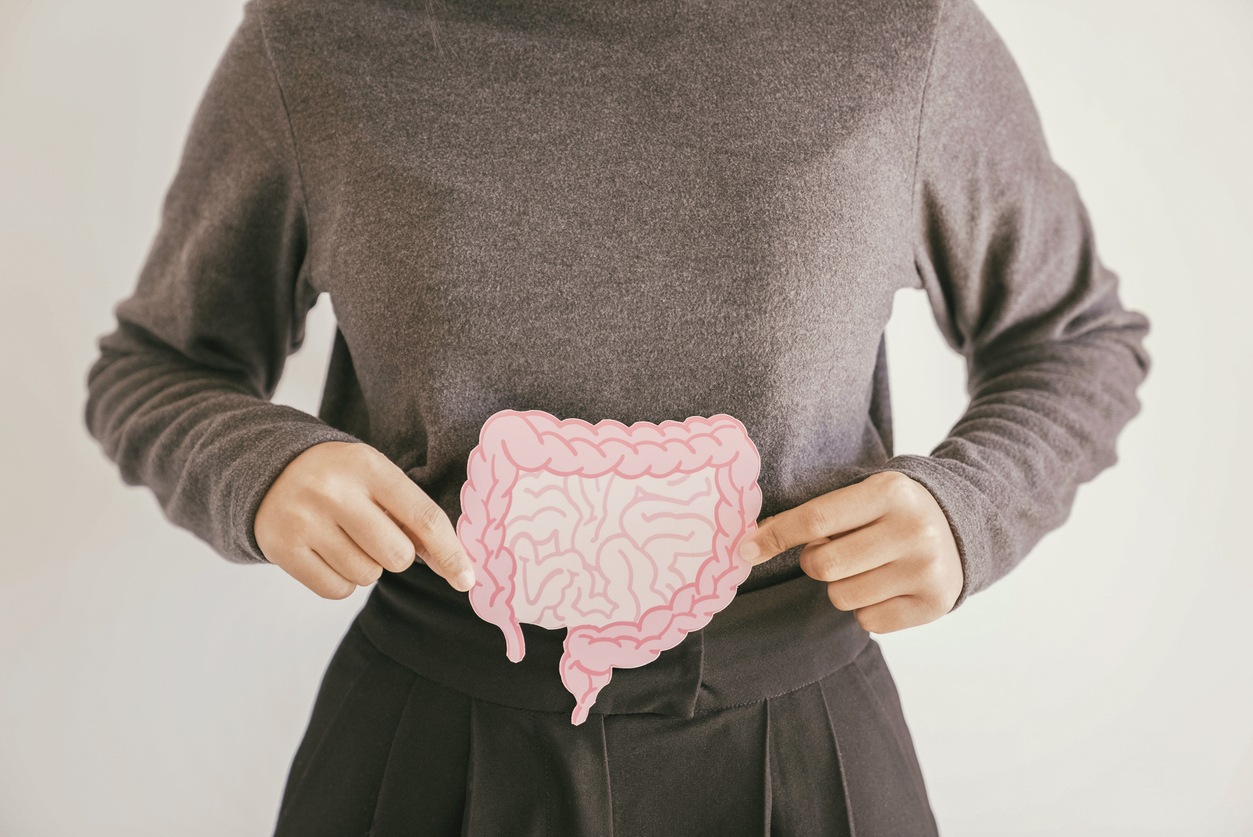
I’ve invited Dr. Lacy Campbell to write on this topic of menopause and the digestive system. One thing we know for sure, many things change in a woman’s body with perimenopause and menopause. Some women are more bothered by a particular issue than others. Digestive system changes can be nuanced even when not significant and women put up with some of the changes for a long time before seeking attention.
Guest Author: Lacy Campbell, N.D.
Menopause is one of the most profound hormone-driven transitions in a woman’s life. While hot flashes, sleep disruption, and genitourinary symptoms dominate most clinical conversations, gastrointestinal (GI) health is often overlooked despite being one of the most common and quality-of-life–limiting consequences of hormonal change.
Bloating, constipation, reflux, irritable bowel syndrome (IBS) flares, pelvic floor dysfunction, and altered bowel habits are frequently normalized as “just aging.” But they are not benign, and they are not incidental. If clinicians are not asking about bowel patterns, reflux, bloating, pelvic floor changes, or defecatory symptoms during menopause care, we are missing a major opportunity to deliver comprehensive, high-quality care.
This article integrates current peer-reviewed research with clinical insight to explain how menopause reshapes GI physiology, the microbiome, and pelvic floor function and why digestive health must be part of modern menopause medicine.
Why GI Health in Menopause Matters
Women account for the majority of healthcare utilization, and digestive disorders are a major driver of that care. In the United States alone, women account for approximately 20 million GI-related outpatient visits, 5 million emergency visits, and over 12 million hospitalizations annually. Nearly one in four women seeks care for GI complaints each year.
Conditions such as IBS, chronic constipation, GERD, bloating, and flatulence are highly prevalent. IBS affects 10–15% of U.S. adults, with women comprising roughly 70% of diagnosed cases. Importantly, postmenopausal women consistently report more severe symptoms than premenopausal women, positioning menopause as a clinical inflection point for digestive health.
Hormones and the Gut: A Physiologic Relationship
Estrogen and progesterone receptors are widely distributed throughout the GI tract, pelvic floor, and enteric nervous system. Their decline initiates simultaneous changes in gut motility, intestinal permeability, microbiome composition, immune signaling, estrogen metabolism, and pelvic floor integrity.
Estrogen plays a central role in maintaining gut barrier function through regulation of tight junction proteins, mucin layers, short-chain fatty acid production, and microbial balance. It also modulates the estrobolome, the gut bacterial network responsible for estrogen metabolism and recycling. Loss of estrogen destabilizes these systems, creating a biologic environment prone to dysbiosis, inflammation, and symptom generation.
GI Symptoms Are Not “Normal Aging”
Nearly 40% of postmenopausal women report altered bowel function even when GI symptoms are not their presenting complaint. IBS-type symptoms peak during perimenopause, and common complaints such as reflux, bloating, and laxative dependence are frequently dismissed or undertreated.
Importantly, estrogen therapy does not reliably protect against digestive symptoms. Studies show no meaningful difference in GI complaints between estrogen users and non-users, making it clear that hormone therapy alone is not a solution for GI dysfunction. Digestive health must be addressed directly.
Gut Permeability, Inflammation, and Bone Health
Menopause is associated with increased gut permeability and systemic inflammation, both of which contribute to reduced bone mineral density. Endotoxemia (translocation of gut-derived endotoxins across a compromised intestinal barrier) activates inflammatory signaling pathways that accelerate immune activation and inflammatory priming.
This connection is clinically significant. Up to half of postmenopausal women develop osteoporosis, and chronic inflammation further accelerates bone loss. GI disorders and medications compound this risk, making the gut–bone axis a critical but underrecognized component of menopause medicine.
The Microbiome Shift
Menopause drives a distinct transformation of the gut microbiome, characterized by reduced microbial diversity, loss of beneficial organisms such as Akkermansia, Bifidobacterium, and Lactobacillus, and expansion of pro-inflammatory species. These changes impair barrier integrity, disrupt estrogen recycling, increase inflammatory tone, and elevate cardiometabolic risk. The postmenopausal microbiome increasingly resembles a male microbiome profile, biologically reinforcing the endocrine shift of menopause.
Pelvic Floor and Defecatory Dysfunction
Hormonal decline alters pelvic floor tissues through muscle composition changes, connective tissue remodeling, extracellular matrix degradation, and ligament weakening. These structural changes manifest clinically as defecatory dysfunction, stool leakage, outlet constipation, digital evacuation, pelvic organ prolapse, and urinary incontinence. These are not isolated pelvic issues; they are structural consequences of hormonal biology.
The Gut–Brain Axis
Psychosocial stress is one of the strongest predictors of bowel dysfunction severity during menopause, often outweighing the influence of hormone levels themselves. Stress and autonomic dysregulation directly alter motility, visceral sensitivity, microbiome composition, inflammatory tone, and barrier integrity. Effective management therefore requires addressing nervous system regulation alongside hormonal and digestive interventions.
Clinical Interventions: Integrated Care
Hormone therapy has complex effects on the GI tract. Estrogen can delay colonic transit and worsen constipation, while progesterone slows gastric emptying. Oral estrogen increases gallbladder disease risk, whereas transdermal routes are safer for hepatic and biliary physiology. Although menopause hormone therapy (MHT) may support barrier integrity and microbiome balance, it should not be viewed as a primary GI therapy.
Evidence-based care integrates dietary strategies such as gradual increase in fiber, polyphenol-rich nutrition, targeted probiotics, and select nutraceuticals like glutamine or zinc carnosine and many others. Pelvic floor physical therapy improves defecatory coordination and outlet symptoms, while lifestyle interventions (stress regulation, exercise, weight optimization, and mindfulness-based practices) modulate the gut-brain axis and inflammatory burden.
Conclusion: Menopause Is a Systems Transition
Menopause is not an isolated endocrine event, it is a systems-level physiologic transformation affecting GI function, microbiome ecology, immune signaling, gut permeability, pelvic structure, nervous system regulation, and inflammatory tone.
Digestive symptoms are biologically driven, clinically significant, and highly treatable when addressed through integrative, multidisciplinary care.
Menopause care that ignores the gut is incomplete care.
True menopause medicine must be hormonal, microbial, structural, neurologic, and psychosocial by design.
References
- Ley D, Saha S. Menopause and gastrointestinal health and disease. Nat Rev Gastroenterol Hepatol. 2025;22(8):556-569. doi:10.1038/s41575-025-01075-7
- Chaudhary R, Bansal N, Sharma S, et al. Mechanistic pathways of estrogen mitigating postmenopausal gut dysbiosis. Mol Biol Rep. 2025;53(1):45. doi:10.1007/s11033-025-11179-7
- Lenhart A, Naliboff B, Shih W, et al. Postmenopausal Women With Irritable Bowel Syndrome (IBS) Have More Severe Symptoms Than Premenopausal Women With IBS. Neurogastroenterology and Motility. 2020;32(10):e13913. doi:10.1111/nmo.13913.
- Shieh A, Epeldegui M, Karlamangla AS, Greendale GA. Gut permeability, inflammation, and bone density across the menopause transition. JCI Insight. 2020;5(2):e134092. doi:10.1172/jci.insight.134092
- Ferrando ML, Busonero F, Crobu F, Sanna S. Aging in women – The microbiome perspective. Ageing Res Rev. 2026;113:102950. doi:10.1016/j.arr.2025.102950
- Callan NGL, Mitchell ES, Heitkemper MM, Woods NF. Constipation and diarrhea during the menopause transition and early postmenopause: observations from the Seattle Midlife Women’s Health Study. Menopause. 2018;25(6):615-624. doi:10.1097/GME.0000000000001057
- Wang Y, Jiang Y, Jiang L, et al. Estrogen Increases the Expression of BKCa and Impairs the Contraction of Colon Smooth Muscle via Upregulation of Sphingosine Kinase 1. Journal of Cellular Physiology. 2023.
- Coquoz A, Regli D, Stute P. Impact of Progesterone on the Gastrointestinal Tract: A Comprehensive Literature Review. Climacteric. 2022.
- Andrews RAF, Lacey A, Roach H, Tomlinson R, Kidd EJ, Bache K. Investigating the effects of probiotics during the menopause transition: A systematic review & meta-analysis. Clin Nutr ESPEN. 2025;69:241-256. doi:10.1016/j.clnesp.2025.07.009
- Ferraz SD, Stangherlin L, Colonetti T, et al. Royal jelly for management of postmenopausal symptoms: a systematic review and meta-analysis. Menopause. Published online December 16, 2025. doi:10.1097/GME.0000000000002688
Subscribe to the Blog
Occasional updates with new articles, education, and media. No hype.