Shatavari – Perimenopause and Menopause; Looking Good Again
Published on Jul 29, 2026
by
Last updated Jul 29, 2026.
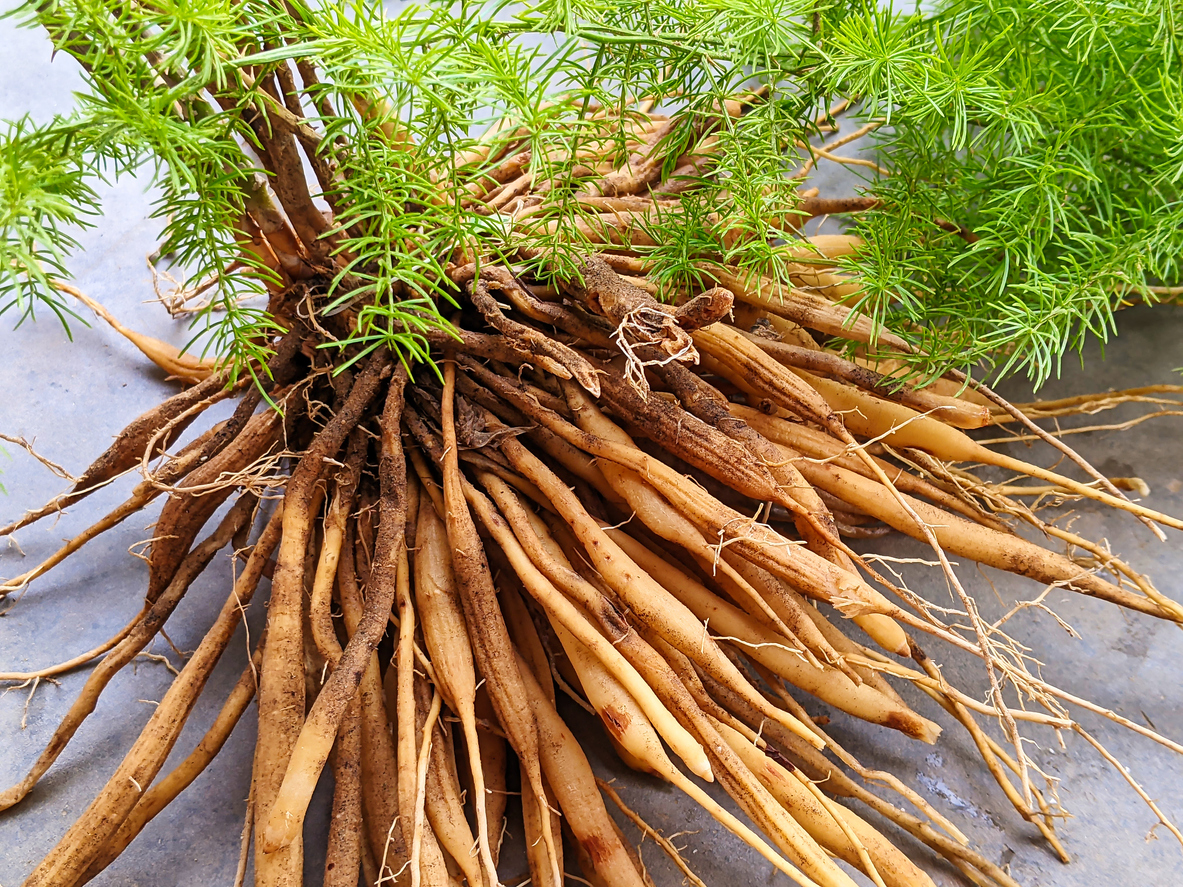
Shatavari is seeing a rise in research publications and attention. As you likely know by now, perimenopause and menopause are associated with many “potential” symptoms that include hot flashes/nightsweats, mood changes, sleep disturbances and vulvovaginal dryness which is just one of the manifestations of genitourinary syndrome of menopause. The important take home here is potential. Not all women experience bothersome symptoms.
Shatavari (Asparagus racemosus, Asparagaceae) has been used traditionally to support women’s reproductive health, and I have written at least 4 other blogs on Shatavari. The current publication is about a prospective, single-center, randomized, placebo-controlled, double-blind, parallel-group study that investigated the ability of Shevari4® (Cepham, Inc.; Somerset, New Jersey), a shatavari root water-ethanol extract, to improve menopausal symptoms in pre-, peri-, and postmenopausal women.
The study was conducted in New Delhi, India, and included pre-, peri-, and postmenopausal women. The inclusion criteria included the following: body mass index of 18.5-29.9 kg/m2, systolic blood pressure < 140 mmHg, diastolic blood pressure < 90 mmHg, resting heart rate < 90 beats per minute, and amenorrhea for the preceding 12 months for postmenopausal women.
The product used, called SheVari4, is a proprietary hydro-ethanolic extract of shatavari root, standardized to contain not < 5% shatavarin IV. The participants were assigned to take one capsule of 100 mg or one capsule of placebo daily for eight weeks. There were 39 in the Shatavari group and 31 in the placebo group.
The primary outcome was change in the menopause rating scale (MRS) scores; the secondary outcomes were changes in weight and blood pressure, and assessment of safety and tolerability.
The MRS was completed by the participants at baseline and at weeks 4 and 8. Symptoms rated included somatic, psychological, and urogenital symptoms with higher scores indicating more severe symptoms. Other assessments included weight, blood pressure and any incidence of adverse effects.
The mean age of the participants was 48.6 years in the intervention group and 49.1 years in the placebo group.
Significant improvements in total MRS scores were observed in the intervention group compared with the placebo group at weeks 4 and 8. Shatavari supplementation had similar effects on women reporting mild to moderate symptoms and those with severe menopausal symptoms. The placebo had little effect on MRS scores or severity.
Hot flash severity, sleep problems, depression, irritability, and anxiety improved as early as week 4, with the physical and mental exhaustion, sexual problems, and vaginal dryness improving at week 8 in the Shatavari group. There were no weight changes in either treatment or placebo groups.
There were only mild and transient nuisance effects (mild gastrointestinal discomfort, headache, nausea, and dizziness) reported and there were no serious adverse effects.
Commentary:
The sample size in this study was quite small, and an 8 week evaluation of symptoms is less desirable than at least 12 weeks. I do find it odd that they had premenopausal women but stated that they had these symptoms. While changes in the menstrual cycle is the strict definition of perimenopause, in the age group studied, and with the symptoms that were rated, I would assert that all women were either perimenopausal or menopausal.
I would agree, Shatavari is a promising botanical for these classic perimenopause/menopause symptoms. I encourage readers to look through the list of previous blogs to expand their understanding of the latest research on Shatavari and women’s health.
Readers of the current study should be aware that the research study was funded by the makers of the product and the authors of the paper are employees of this company.
Reference: Swaroop A, Swaroop A. Asparagus racemosus root extract (SheVari4®) alleviates menopausal symptoms in pre-, peri-, and post-menopausal healthy women. Cureus. April 13, 2026;18(4)
Subscribe to the Blog
Occasional updates with new articles, education, and media. No hype.